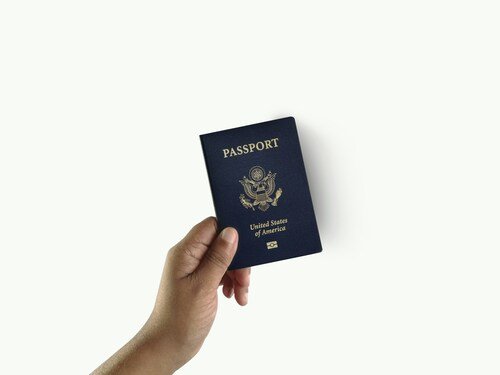
Introduction to Digital Nomad Visas
The concept of digital nomad visas has gained significant traction over recent years, aligning with the rising trend of remote work. These visas allow individuals to live in a foreign country while working remotely for an employer or clients based elsewhere. The primary purpose of digital nomad visas is to attract skilled remote workers to enhance local economies, diversify income sources, and promote cultural exchange.
As more organizations transition to flexible working arrangements, the demand for digital nomad visas has surged. Countries around the globe are recognizing the value that remote workers bring—not only do these individuals contribute to local spending, but they often possess skills that are in high demand within the global labor market. By offering digital nomad visas, nations are capitalizing on this trend, creating an inviting atmosphere for remote professionals who seek both adventure and stable employment.
The benefits of securing a digital nomad visa extend beyond mere work authorization. For the host country, welcoming remote workers often leads to increased tourism, which can significantly bolster local economies. Furthermore, these visas sometimes provide tax incentives, simplified application processes, and extended stay options compared to traditional work visas. For the digital nomad, these visas present unique opportunities to explore new cultures, expand their professional networks, and maintain a balanced lifestyle amidst enriching experiences.
Overall, the evolution of remote work is not just reshaping how we view employment, but also redefining the relationship between individuals and the countries they choose to inhabit temporarily. Digital nomad visas are emblematic of this transformation, reflecting a modern workforce unbound by geography.
Top Countries Offering Digital Nomad Visas
As digital nomadism continues to rise in popularity, several countries have taken steps to accommodate remote workers by introducing digital nomad visa programs. These visas allow individuals to live and work legally while enjoying new environments and cultures. Below is an overview of some of the leading countries that offer such opportunities, detailing their requirements and unique features.
Bali, Indonesia: Known for its stunning landscapes and vibrant culture, Bali has become a hotspot for digital nomads. The island offers a visa program that allows remote workers to stay for up to six months. Applicants must prove a minimum monthly income and have medical insurance to qualify.
Portugal: Portugal offers a range of visa options tailored for digital nomads. The D7 Visa, for example, allows for an extended stay for individuals who can demonstrate a stable income from abroad. The process is relatively straightforward, and the duration can extend up to five years, offering a pathway to residency, which adds to Portugal’s appeal.
Estonia: As one of the first countries to launch a dedicated digital nomad visa, Estonia attracts many remote workers. This country allows nomads to live for up to a year while running their businesses remotely. The application requires proof of employment or business ownership and a minimum income threshold.
Mexico: Mexico’s temporary resident visa provides an excellent option for digital nomads, allowing stays of more than six months for foreign nationals. With a vibrant culture and diverse environments, Mexico is ideal for nomadic professionals. Applicants must prove financial independence or employment and provide documentation of income.
These countries exemplify how various nations are embracing the digital nomad lifestyle, each offering distinct features, necessary visa requirements, and varying application processes. Therefore, finding the right fit depends on individual preferences and work arrangements, ensuring a seamless transition to the life of a digital nomad.
Benefits of Obtaining a Digital Nomad Visa
Obtaining a digital nomad visa offers numerous advantages for remote workers seeking to live and work legally in a foreign country. One of the primary benefits is the ability to reside and engage in remote work without the fear of violating immigration laws. This legal status not only provides peace of mind but also allows for better integration into the local community.
In addition to legal residency, a digital nomad visa often grants access to local healthcare systems, providing essential medical services while living abroad. This is particularly beneficial for individuals who may require regular medical attention or who want to ensure they have access to quality healthcare while integrating into a new culture. Furthermore, many countries offering these visas have robust healthcare systems that digital nomads can take advantage of.
Another significant advantage is the opportunity for cultural immersion. Living in a new country allows digital nomads to experience local customs, language, and traditions firsthand. This firsthand exposure not only enhances personal growth but also enriches professional experiences. Engaging with local communities and fellow expatriates fosters relationships that can lead to collaborations or network expansion, which may benefit one’s career long-term.
However, it is important to acknowledge potential challenges associated with a digital nomad lifestyle, such as dealing with bureaucratic processes for visa applications and adjusting to different cultural norms. To navigate these challenges, thorough research and proactive planning are essential. By understanding the requirements and local regulations beforehand, digital nomads can minimize potential setbacks and enhance their overseas experience.
With the right preparation, the benefits of obtaining a digital nomad visa can significantly outweigh the challenges, leading to a fulfilling and productive life abroad.
How to Apply for a Digital Nomad Visa
Applying for a digital nomad visa involves several key steps, each crucial for ensuring a successful application. First, applicants should identify the specific country’s digital nomad program they wish to apply to, as each country may have different requirements and processes. Thorough research is essential to understand these particulars.
The initial step is to gather necessary documentation. Commonly required documents typically include a valid passport, proof of employment or self-employment (such as contracts or a business registration), evidence of income that meets the minimum threshold set by the host country, and health insurance coverage valid in that country. Some countries may also request a background check and a statement outlining the purpose of the stay.
Once all documents are collected, applicants need to fill out the relevant application forms specific to the chosen country. Application fees can vary significantly, so it is important to review these costs carefully and ensure that payment methods comply with the visa application process.
After submitting the application, applicants should be aware of the usual timelines for processing. This can range from a few weeks to several months depending on the country. It is advisable to apply well in advance of the intended travel date.
During the approval process, applicants may be contacted for additional information or documents, so it is crucial to stay responsive to any correspondence. Finally, to enhance the chances of acceptance, ensure that all information provided is accurate and complete. Following these detailed steps diligently can create a pathway towards successfully obtaining a digital nomad visa, allowing individuals the flexibility to work remotely while exploring new cultures.